
Allergy season: spring allergy triggers and how to avoid them.
You can prevent allergy symptoms before they start, find out how with this guide to the most common spring allergy triggers.

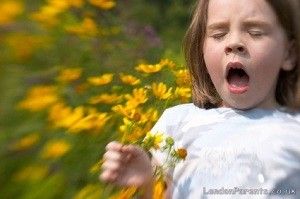
Spring is a beautiful season when everything starts blossoming. Unfortunately with blossoming come allergies. Allergies are very common, according to Allergy UK, one-in-four people in the UK suffers from an allergy at some time in their lives. As many as half of those affected are children.
The most common spring allergen is pollen.
Try to keep your allergic kids inside on windy days, when pollen is blowing around, and before 10.00, when pollen counts are highest. Keep windows closed and air-conditioning on in both your home and car. Because pollen sticks to skin, hair, and clothes, kids with allergies or allergy-induced asthma should wash their hands and face and if possible change into clean clothes when they come indoors.Leave a basket by the door for shoes, so no one will track pollen through the house. And don't line-dry clothes, towels, or linens outside where they'll attract pollen and mold.
Another trigger is spring cleaning.
An annual big cleanup is a great way to get rid of dust and mold, but you need to do it properly. Use a damp cloth to trap allergens, and use a vacuum with a high-efficiency particulate air filter. If possible, do your cleaning when your child can be out of the house for several hours, especially if you are going to be stirring up large amounts of dust by taking down draperies or cleaning light fixtures.
According to BBC Health simple ways to reduce allergens in your home throughout the year are:
If you think your child is allergic you should visit a GP right away.
The most common spring allergen is pollen.
Try to keep your allergic kids inside on windy days, when pollen is blowing around, and before 10.00, when pollen counts are highest. Keep windows closed and air-conditioning on in both your home and car. Because pollen sticks to skin, hair, and clothes, kids with allergies or allergy-induced asthma should wash their hands and face and if possible change into clean clothes when they come indoors.Leave a basket by the door for shoes, so no one will track pollen through the house. And don't line-dry clothes, towels, or linens outside where they'll attract pollen and mold.
Another trigger is spring cleaning.
An annual big cleanup is a great way to get rid of dust and mold, but you need to do it properly. Use a damp cloth to trap allergens, and use a vacuum with a high-efficiency particulate air filter. If possible, do your cleaning when your child can be out of the house for several hours, especially if you are going to be stirring up large amounts of dust by taking down draperies or cleaning light fixtures.
According to BBC Health simple ways to reduce allergens in your home throughout the year are:
- Keep your home dry and well ventilated
- Open windows for at least one hour twice a day and keep vents open, particularly in kitchens and bathrooms
- However, if you get hay fever keep the windows closed as much as possible during the peak of the pollen season
- Don't dry clothes indoors, especially in your bedroom or living room
- If you have central heating, turn it down by a few degrees
- Increase the ventilation if your home is very humid - a dehumidifier might help
If you think your child is allergic you should visit a GP right away.
Comments 0 comments
No comments yet. Be the first!
Sign into leave a comment.